
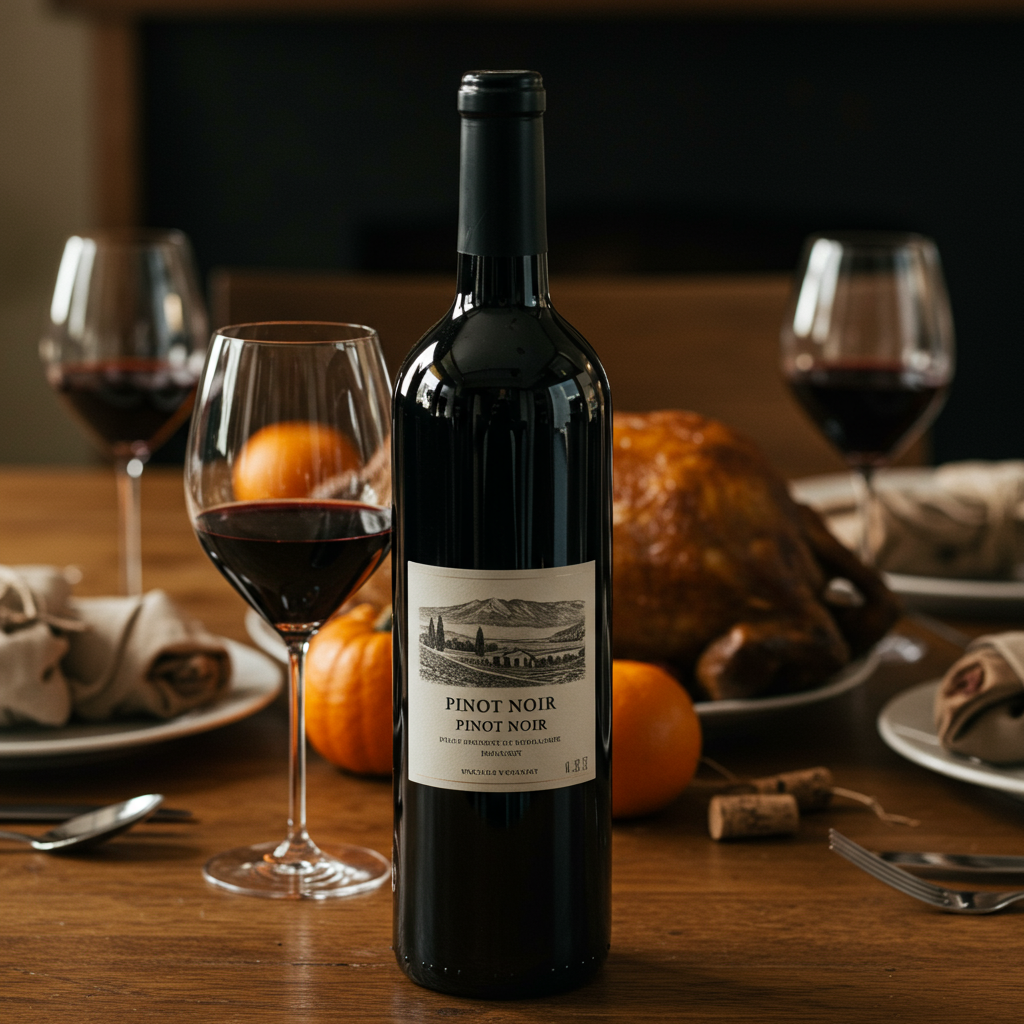
Thanksgiving dinner is arguably the most challenging meal of the year to pair with wine. The table is a riot of flavors and textures: rich, savory turkey, sweet cranberry sauce, earthy stuffing, creamy mashed potatoes, and often a hint of spice or smoke. A wine must be versatile enough to harmonize with this culinary cacophony without overpowering the delicate poultry or clashing with the myriad side dishes.
For decades, experts have debated the perfect pairing, but one region and one grape consistently rise above the rest: Pinot Noir from the Willamette Valley in Oregon, USA. Its unique combination of bright acidity, earthy complexity, and delicate structure makes it not just a good choice, but the essential choice for the holiday table.
Region Focus: Willamette Valley, USA
The Willamette Valley, stretching 150 miles south from Portland, is the heart of Oregon’s wine industry and one of the world’s premier cool-climate regions for Pinot Noir. Often compared to Burgundy, the valley benefits from a maritime climate moderated by the Pacific Ocean, resulting in long, gentle growing seasons that allow Pinot Noir grapes to achieve phenolic ripeness while retaining crucial acidity.
Terroir and Grapes
The Willamette Valley’s terroir is defined by its diverse geology, primarily consisting of three soil types: marine sedimentary, volcanic (Jory), and loess. These soils, combined with the cool, rainy winters and dry, temperate summers, stress the vines just enough to produce concentrated, complex fruit.
Pinot Noir is the undisputed king here, accounting for over 60% of the planted acreage. Winemakers focus on clonal selection and meticulous vineyard management to express the subtle nuances of the land. While Pinot Gris, Chardonnay, and Gamay are also grown successfully, the region’s global reputation rests squarely on the shoulders of its elegant, age-worthy Pinot Noir.
Wine Style and Flagship Appellation
Willamette Valley Pinot Noir is characterized by its purity of fruit, often displaying notes of red cherry, raspberry, and cranberry, underpinned by signature earthy elements like mushroom, forest floor, and black tea. Crucially for pairing, these wines possess vibrant, mouth-watering acidity and soft, silky tannins.
Unlike some of its warmer California counterparts, Oregon Pinot Noir tends to be lower in alcohol and less overtly fruit-driven, prioritizing finesse and structure. Within the broader Willamette Valley AVA, there are several distinct sub-appellations (AVAs) that offer specific styles. The Dundee Hills AVA, known for its iron-rich Jory soils, often yields wines with bright red fruit and spice, while the Eola-Amity Hills AVA, influenced by cooling winds from the Van Duzer Corridor, produces wines with deeper structure and savory minerality.
Suggested Food Pairings
The versatility of Willamette Valley Pinot Noir makes it a culinary chameleon, capable of handling the diverse flavors of the Thanksgiving table:
1. Roast Turkey (White and Dark Meat): The wine’s bright acidity cuts through the richness of the dark meat and gravy, while its delicate structure doesn’t overwhelm the subtle flavor of the white breast meat.
2. Cranberry Sauce: The red fruit profile of the Pinot Noir mirrors the tartness of the cranberry, creating a seamless bridge between the savory and sweet elements of the meal.
3. Savory Stuffing (with Herbs and Sausage): The earthy, mushroom notes inherent in the wine harmonize beautifully with sage, thyme, and savory herbs used in traditional stuffing.
Official Region Link: Willamette Valley Wineries Association
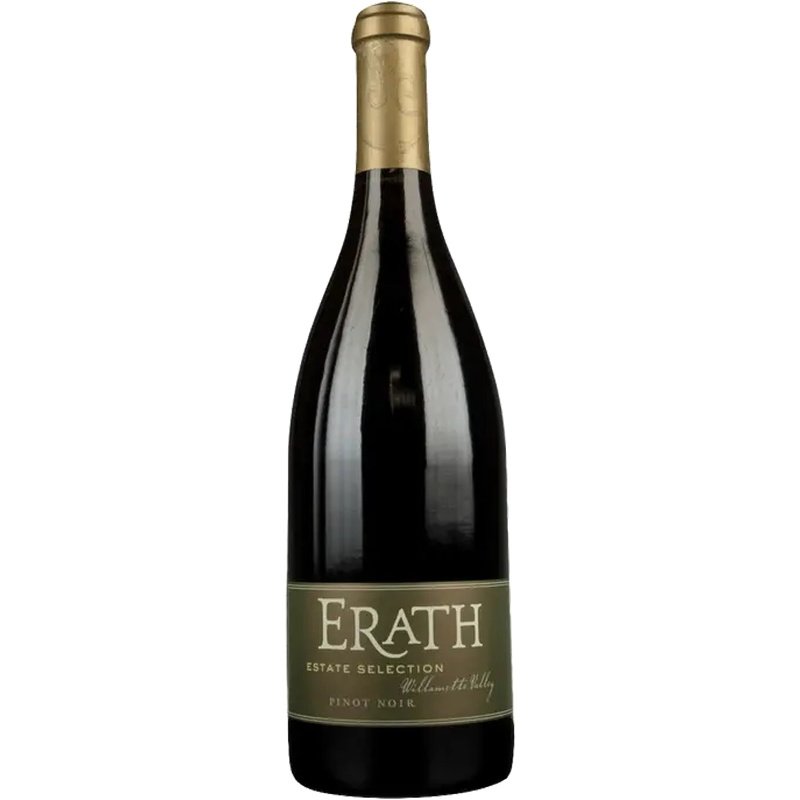
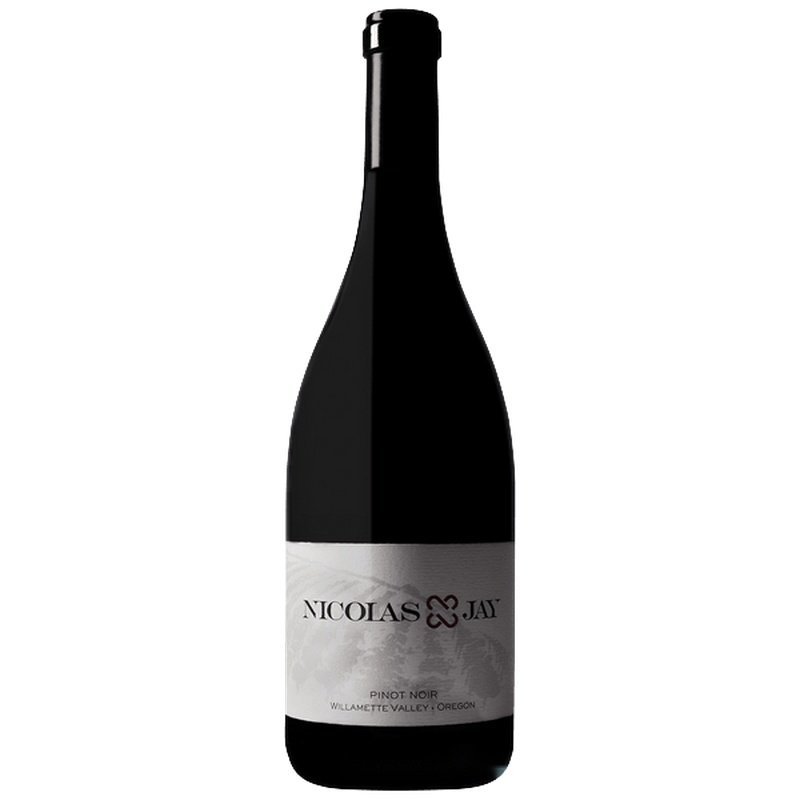
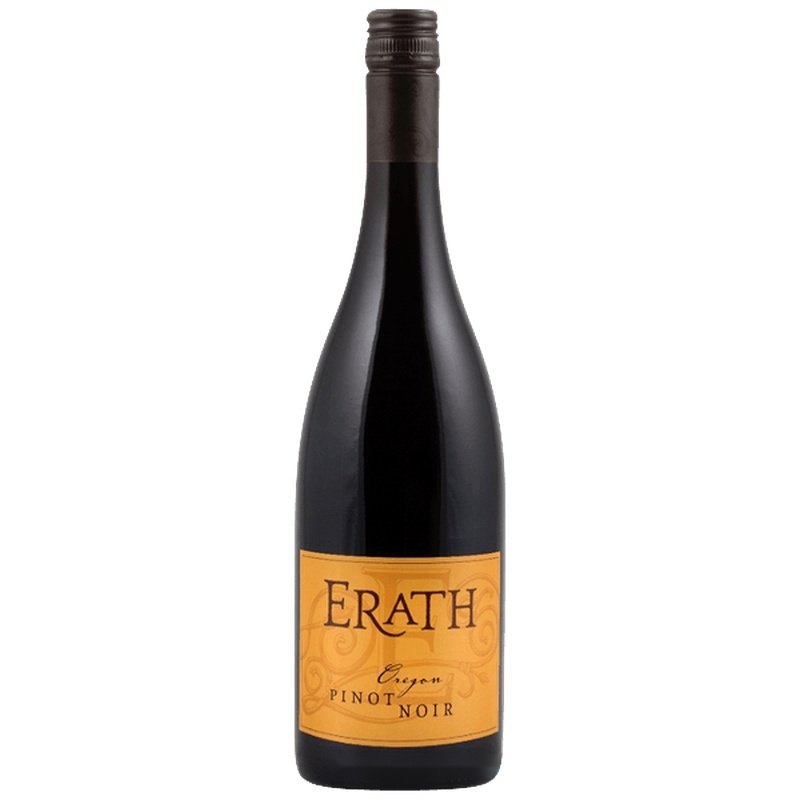
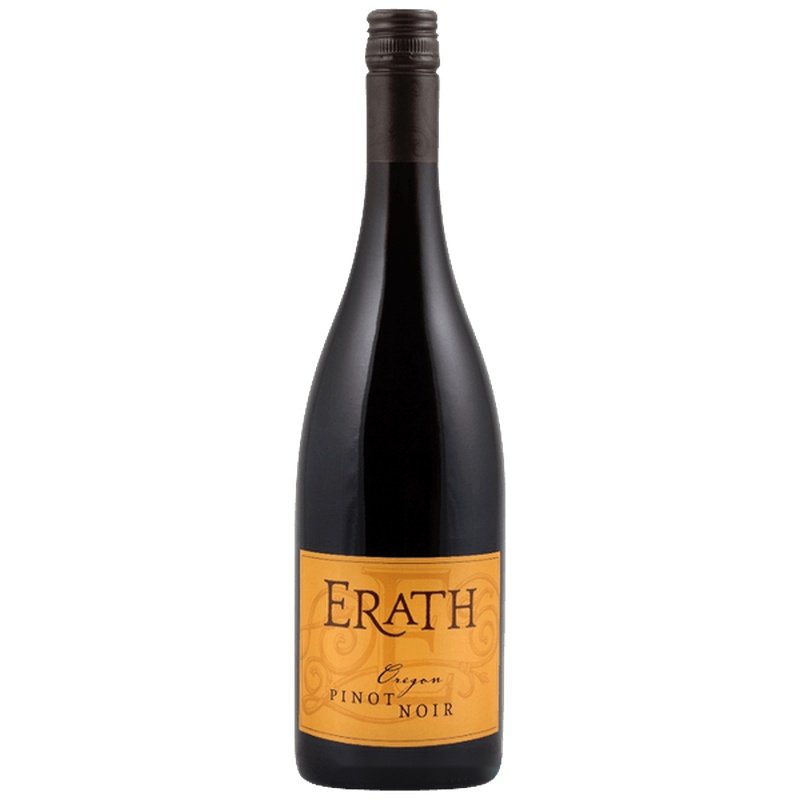
Discover our selection of Willamette Valley, USA wines in the shop.
Discover many other wines on our website!
Did You Know?
The Willamette Valley’s success is often attributed to a famous blind tasting in 1979, known as the “Burgundy Challenge,” where a 1975 Eyrie Vineyards Pinot Noir placed highly against some of Burgundy’s top Grand Crus. This event cemented Oregon’s potential on the global stage and encouraged serious investment in the region.
The Thanksgiving Pairing Imperative
The complexity of the Thanksgiving meal demands a wine that is both forgiving and complementary. High-tannin wines (like Cabernet Sauvignon) clash disastrously with turkey, resulting in a metallic taste, while overly sweet or heavy wines fatigue the palate.
Willamette Valley Pinot Noir solves this pairing puzzle through three critical factors:
1. Acidity as a Cleanser: The high natural acidity acts as a palate cleanser, refreshing the mouth between bites of rich gravy, butter, and fat, preparing you for the next flavor combination.
2. Low Tannin Structure: The soft, fine tannins of Oregon Pinot Noir ensure that the wine does not compete with the delicate protein structure of the turkey, maintaining a smooth, harmonious texture.
3. Earthy Nuance: The subtle notes of spice, earth, and dried leaves provide a savory counterpoint to the sweet elements (yams, sweet potatoes, fruit pies) and enhance the herbaceous flavors of the stuffing and side dishes. It is this earthy complexity—the sous-bois—that makes it truly unbeatable for a meal rooted in autumnal flavors.
Serving Tips for the Holiday Table
To ensure your Willamette Valley Pinot Noir shines brightest on Thanksgiving, proper serving is key.
First, temperature is crucial. While many red wines are served too warm, Pinot Noir benefits immensely from a slight chill. Aim for cellar temperature, roughly 55–60°F (13–16°C). Serving it slightly cool enhances its acidity and freshness, making it even more refreshing against the heavy meal.
Second, consider the vintage. While most Oregon Pinot Noirs are ready to drink upon release, older, more mature vintages (5–10 years old) often develop deeper tertiary notes of leather and truffle, which can be spectacular alongside mushroom-heavy side dishes or smoked turkey.
Finally, glassware matters. Use a large, Burgundy-style balloon glass. The wide bowl allows the delicate aromas of the Pinot Noir—the red fruit, the spice, the earth—to gather and express themselves fully, elevating the tasting experience for your guests.
Sommelier’s Tip
When selecting your bottle, look beyond the general Willamette Valley AVA and explore a specific sub-appellation. If your Thanksgiving menu leans heavily on savory, mushroom, and herb flavors, seek out wines from the Eola-Amity Hills or Chehalem Mountains AVAs, which often exhibit pronounced savory and mineral characteristics. If your preference is for brighter, more fruit-forward expressions to complement a fruit-glazed ham or sweeter sides, look towards the warmer sites in the Dundee Hills or Ribbon Ridge. This micro-focus ensures the wine is perfectly tailored to your specific holiday menu.
Conclusion
The Thanksgiving table demands a wine of grace, versatility, and structure—qualities perfectly embodied by Willamette Valley Pinot Noir. Its cool-climate elegance, vibrant acidity, and harmonious earthy profile allow it to navigate the complex landscape of the holiday feast with effortless charm. Choosing an Oregon Pinot Noir is not merely selecting a bottle; it is ensuring a seamless, sophisticated, and ultimately unbeatable pairing experience for the most important meal of the year.
Sources
https://www.winespectator.com/articles/pinot-noir-for-thanksgiving-52077
https://www.decanter.com/learn/willamette-valley-pinot-noir-414800/